The Birth of “Air Force One”
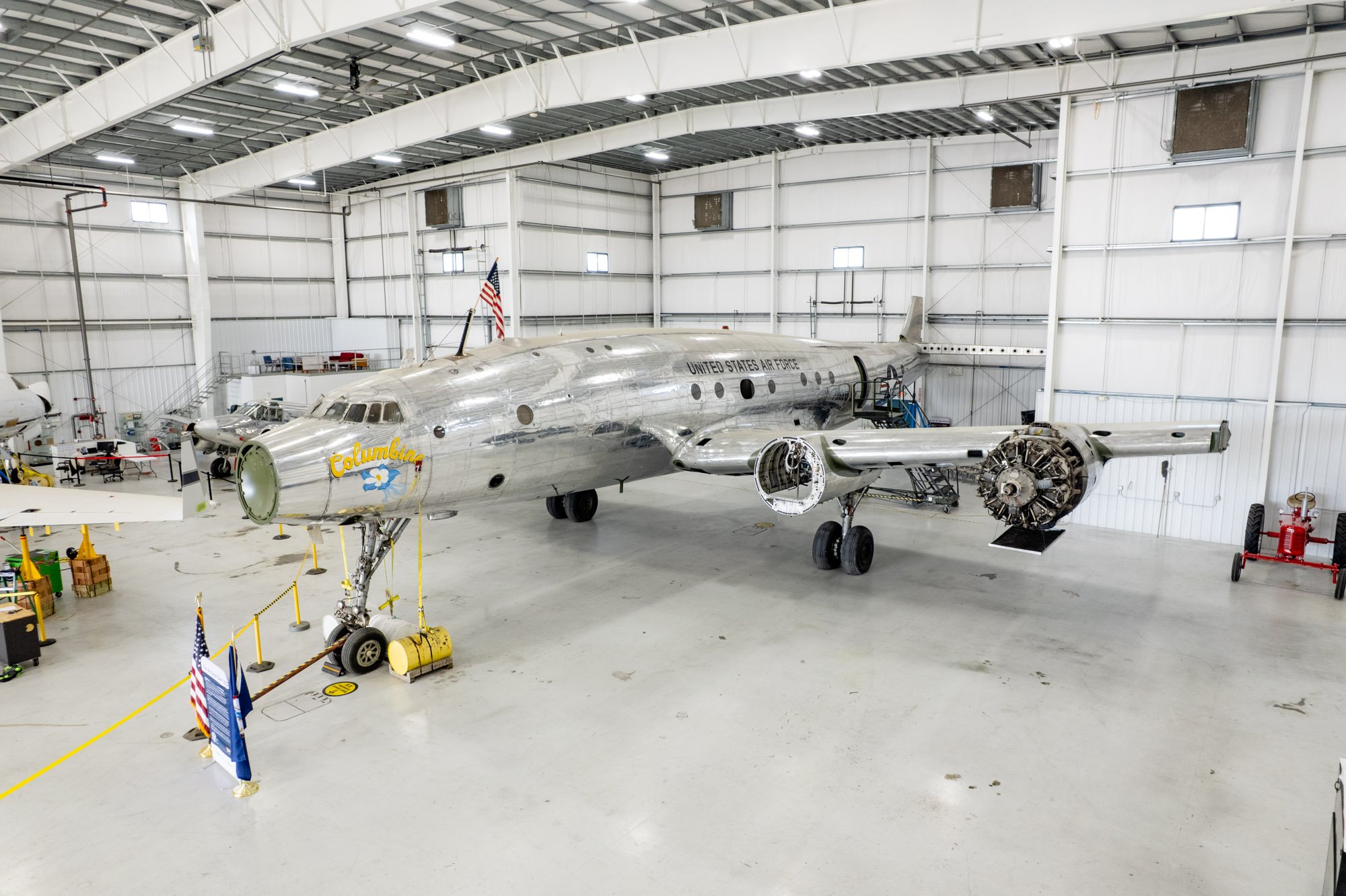
The call sign Air Force One is so closely associated with the American presidency that it can feel like it has always been around. However, it is a relatively modern invention, born not from ceremony or symbolism, but from a moment of operational risk. Its origins trace directly to Columbine II and a flight that revealed the need for absolute clarity in presidential air travel.
The First Presidents in the Air
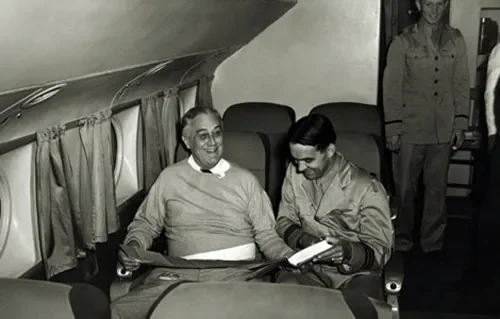
In 1943, Franklin D. Roosevelt became the first sitting President of the United States to fly while in office. These early flights were utilitarian and uncomfortable by today’s standards. Aircraft were often unpressurized, loud, and subject to turbulence. Oxygen bottles were sometimes carried onboard as a precaution. The purpose was not comfort, but a necessity for efficient travel. Air travel allowed the President to move faster than rail or ship during wartime, even if the experience was demanding.
Eisenhower and the Rise of Presidential Air Travel
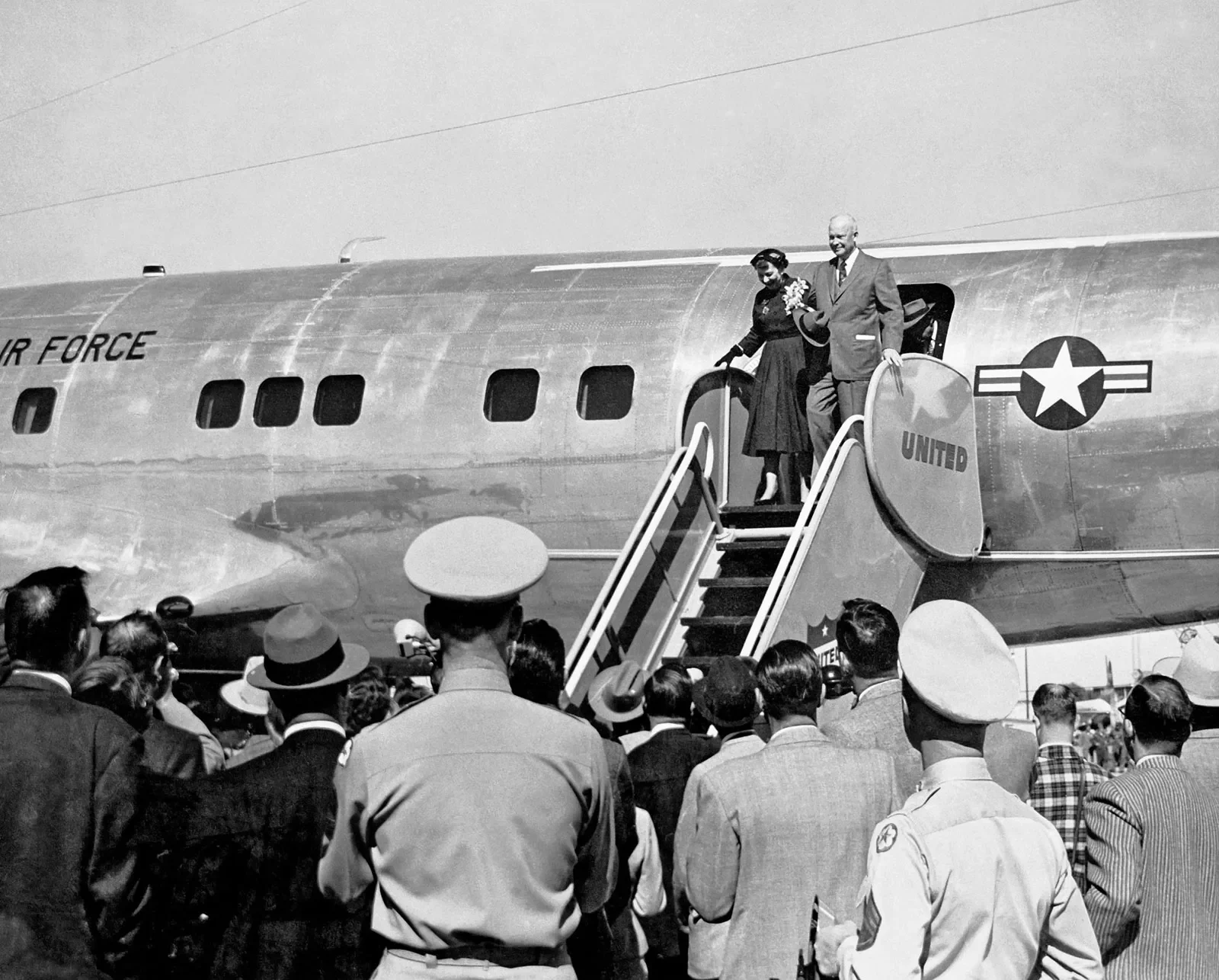
By the early 1950s, aviation had become essential to the presidency. Dwight D. Eisenhower, a former five-star general and Supreme Allied Commander during World War II, understood the strategic value of aircraft better than any president before him. As President, he relied heavily on air travel to move efficiently and securely across the United States and abroad.
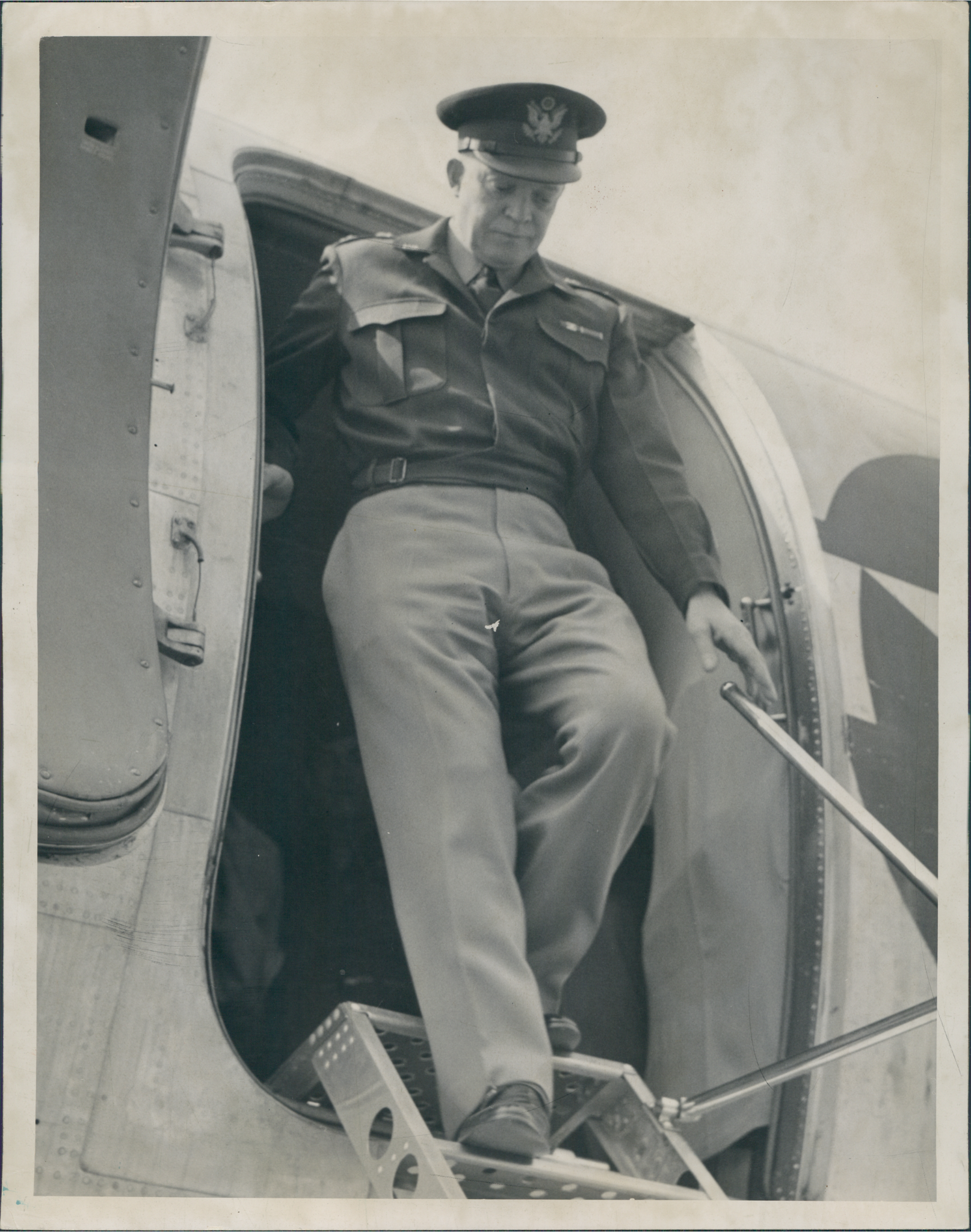
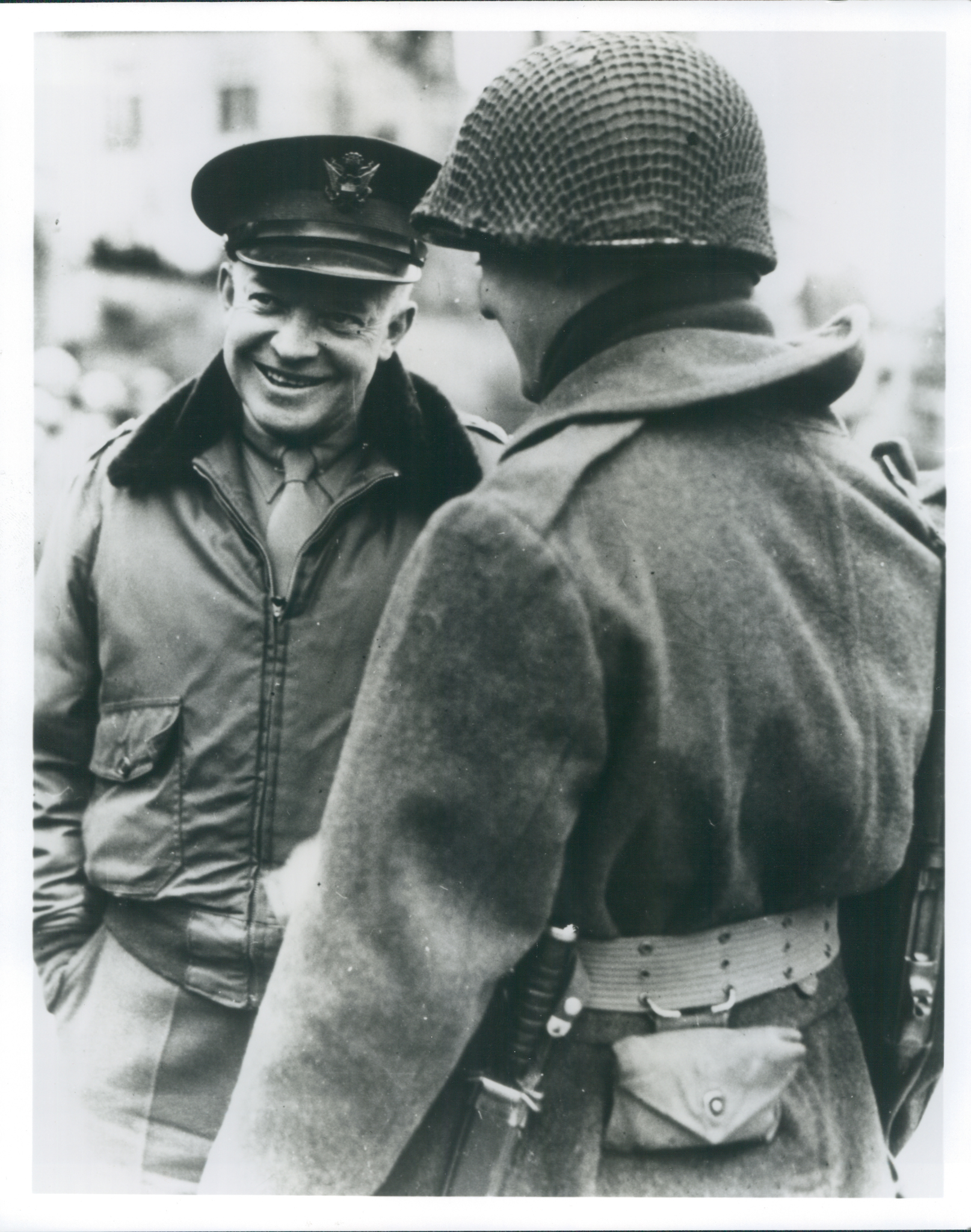
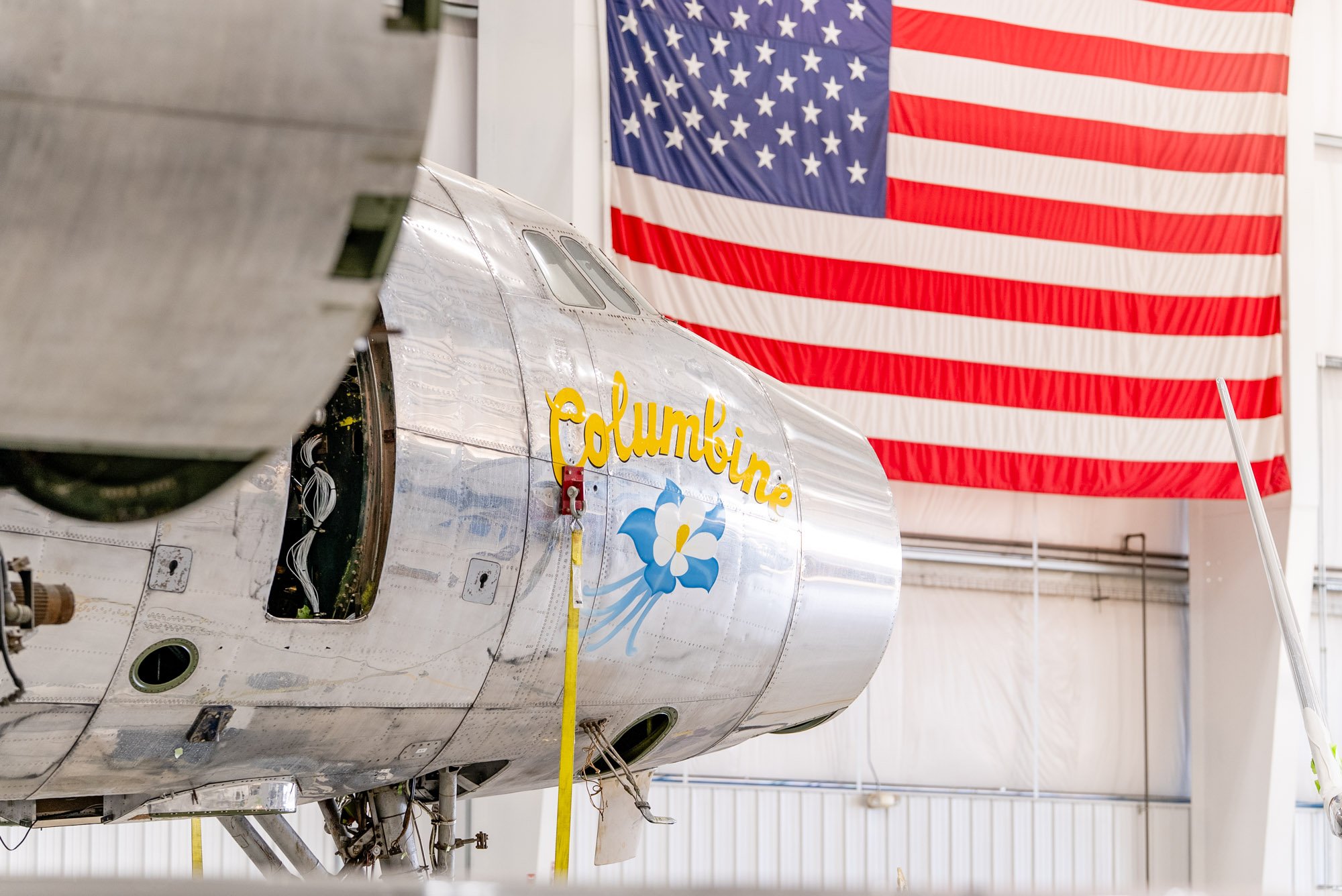
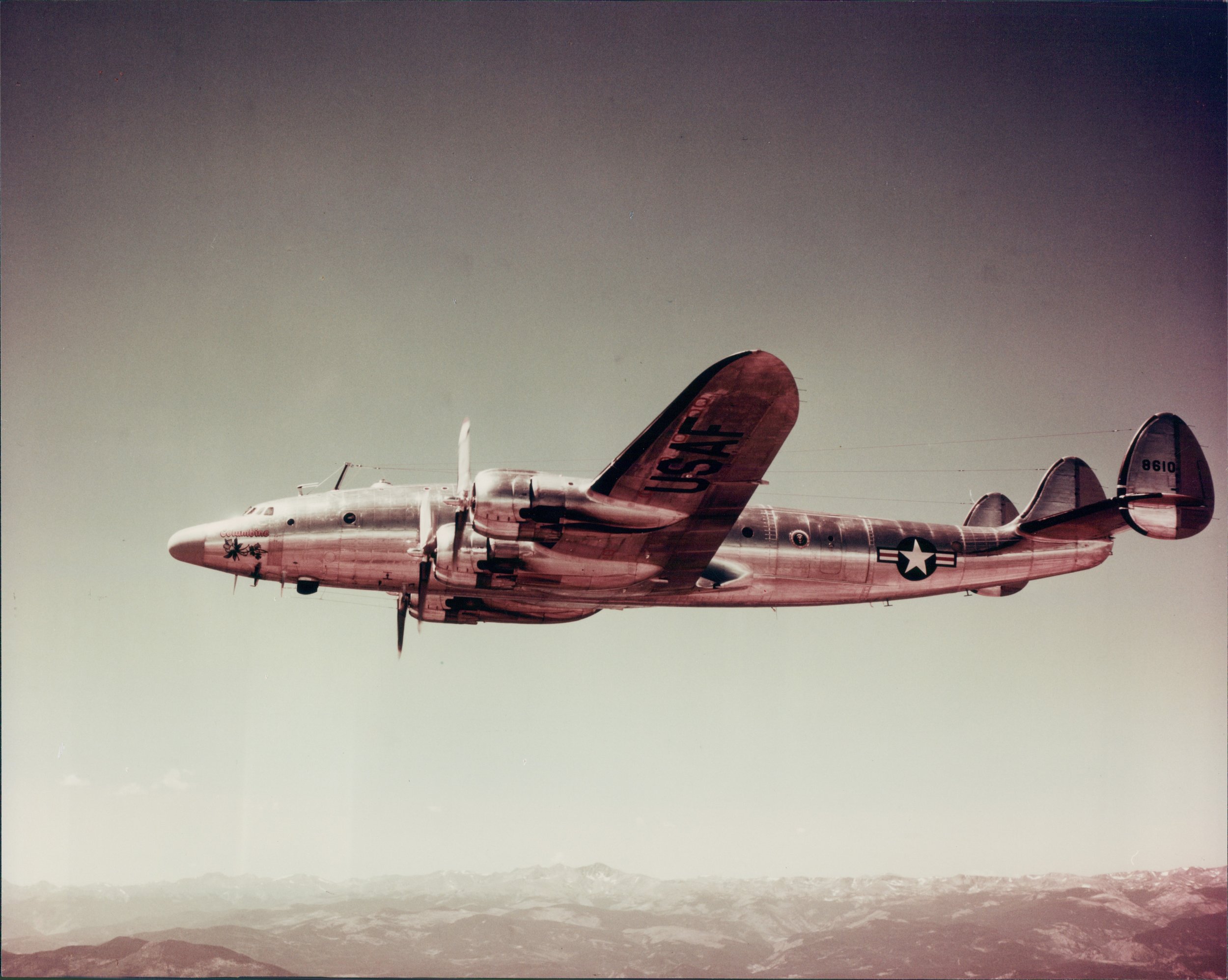
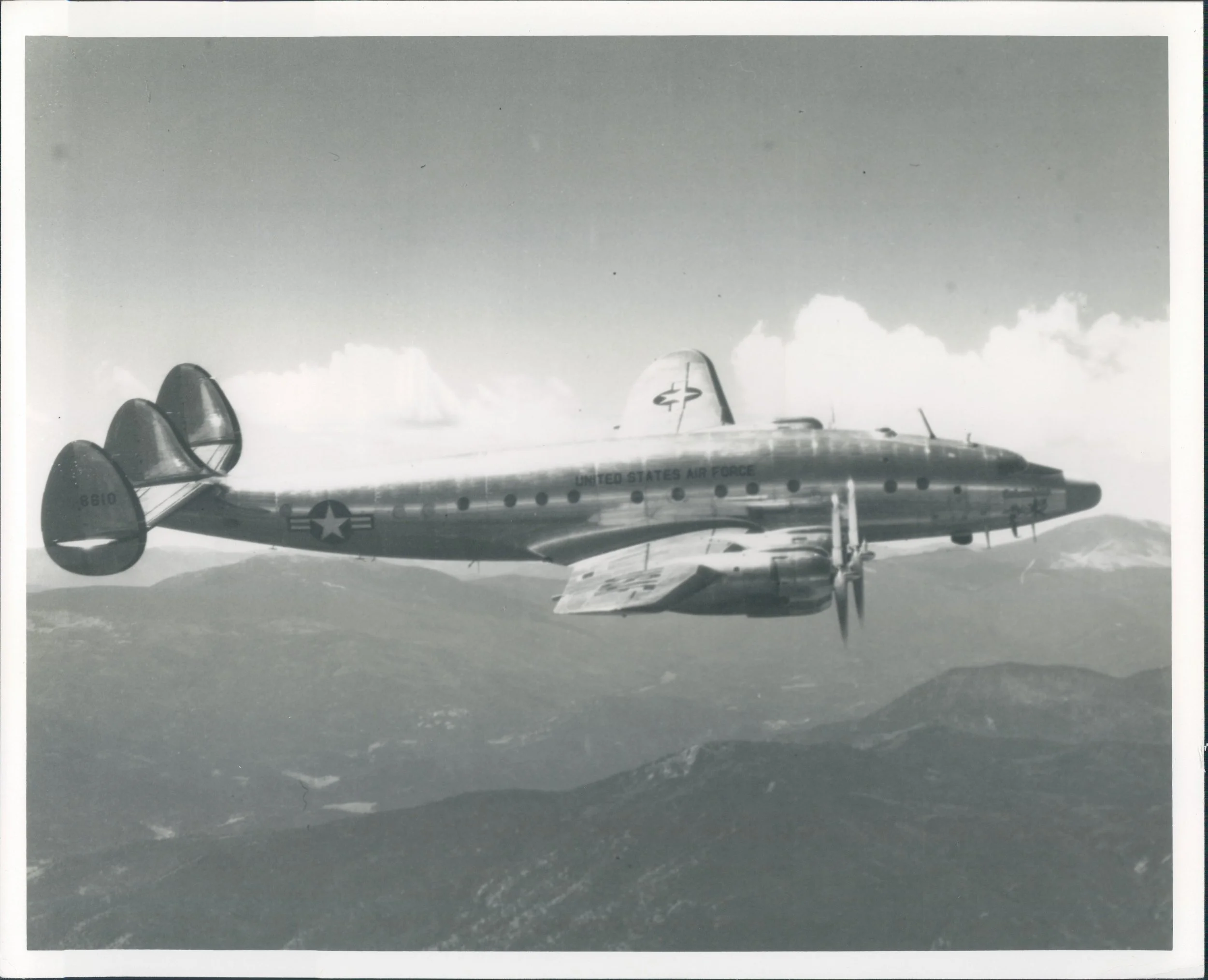
One of the aircraft that carried Eisenhower was a Lockheed Constellation named Columbine II. Among the most advanced aircraft of its era, Columbine II featured long-range capability, improved navigation systems, and a cabin configured for presidential use. It was not merely transportation. It was a working environment where Eisenhower and his staff could travel, communicate, and govern while in motion.
A Near Miss Over Virginia
In 1954, while flying near Richmond, Virginia, a critical issue emerged. Eisenhower’s aircraft was operating under the call sign Air Force 8610, derived from its tail number. At the same time, a commercial airliner in the same airspace was using an identical numerical call sign.
Colonel William Draper, Eisenhower’s personal pilot, realized that this overlap created dangerous confusion for air traffic controllers at a critical time. The incident did not result in an accident, but it revealed a serious vulnerability in how presidential flights were identified and managed.
The Creation of “Air Force One”
In response, the United States Air Force established a new, unmistakable call sign for any aircraft carrying the President of the United States. That call sign was Air Force One. This protocol was soon standardized across all military branches to ensure total clarity for air traffic control, meaning any aircraft transporting the Commander-in-Chief adopted the "One" suffix based on its specific service, such as Marine One, Army One, or Navy One.
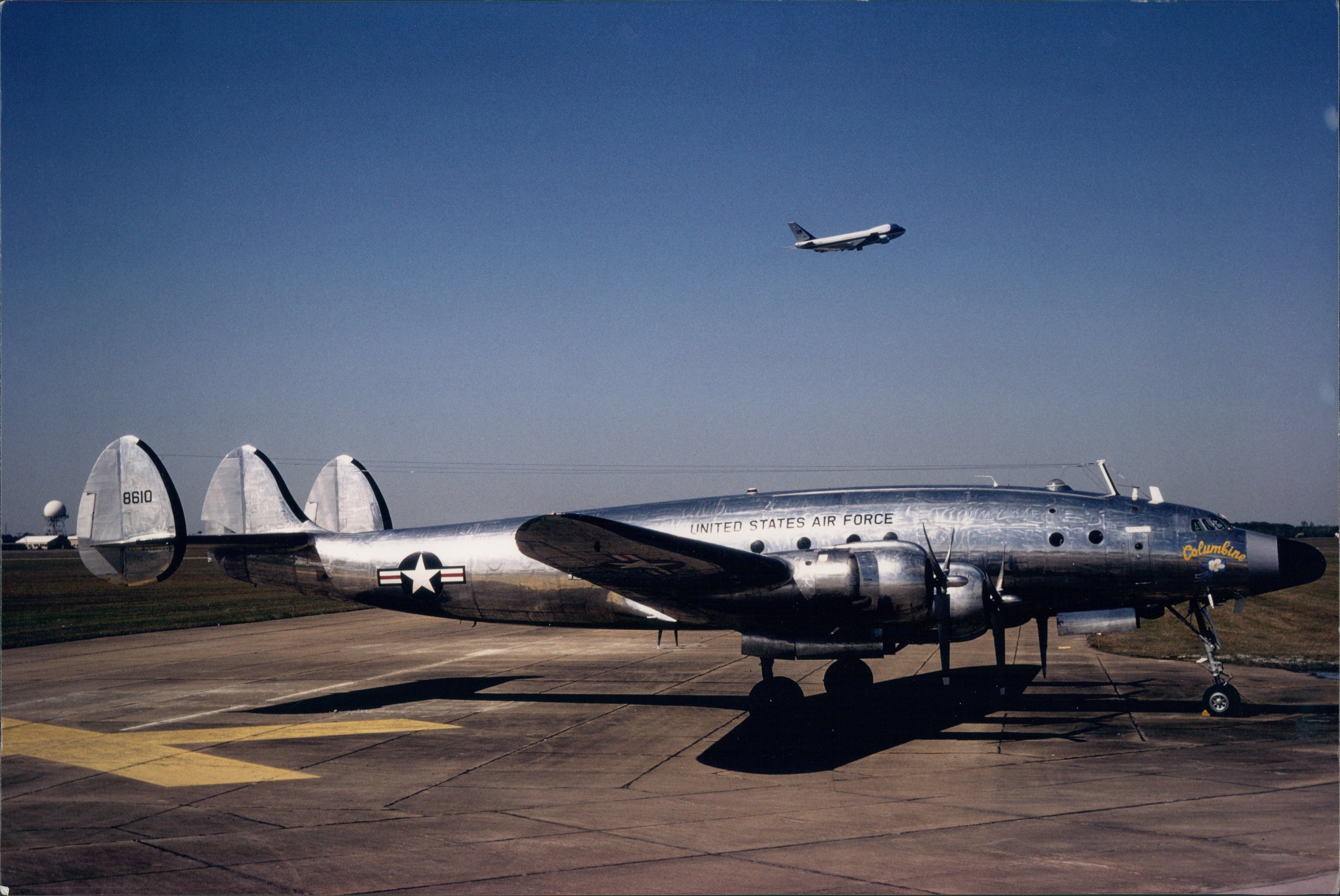
From that moment forward, air traffic controllers could instantly identify the president’s aircraft, eliminating ambiguity and enhancing both safety and security. The call sign was simple, clear, and absolute. It applied not to a specific airplane, but to the presence of the President on board.
A Legacy That Endures
What began aboard Columbine II as a practical solution became one of the most recognizable call signs in the world. The first Air Force One symbolizes the creation of presidential authority in flight, and is a priceless piece of American history.
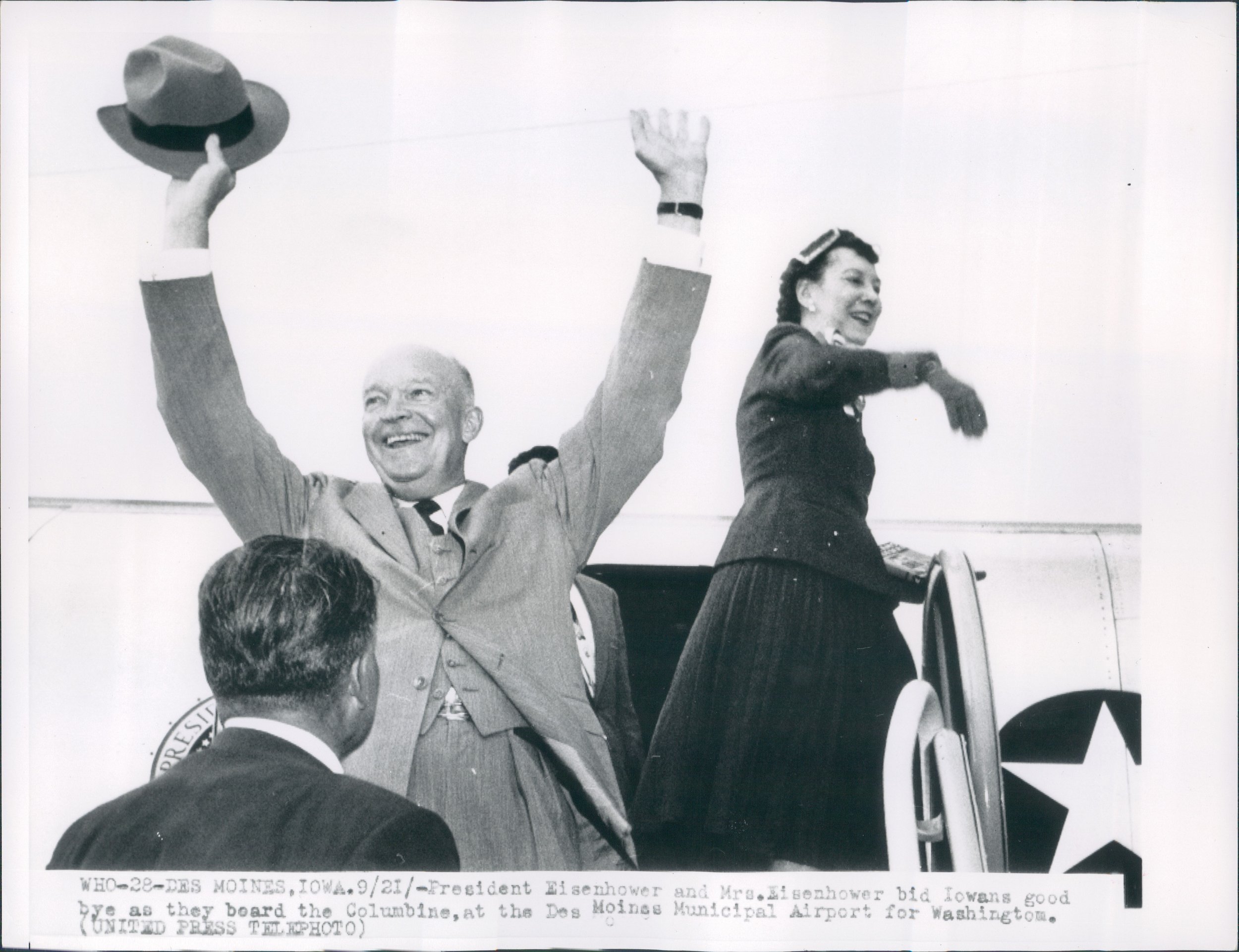
Its legacy lives on through the work here at the First Air Force One Foundation, which is restoring Columbine II to preserve this pivotal chapter in American history. When complete, the aircraft will serve as a living educational platform, connecting the public to aviation and presidential history, and inspiring future generations.